Forget linear forecasts: by 2050, the global average temperature could rise by 2 to 2.5 °C compared to the pre-industrial era, according to the IPCC. Climate models do not suggest a mere extended summer, but rather a doubling or even tripling of extreme heatwaves in certain areas, accompanied by more sudden and concentrated rainy episodes.
Nearly 5 billion people will face a scarcity of drinking water, while agricultural productivity will decline in several regions, including Southern Europe. Cities and their infrastructures will need to find a second wind; otherwise, social and territorial fractures are likely to deepen.
What will our daily lives look like in the face of climate change in 2050?
The climate of 2050 will no longer be a discreet backdrop. Days will bear the mark of global warming and extreme phenomena, as described by Météo-France and the IPCC for France and Europe. Rising average temperatures will manifest as longer, earlier, and more unbearable heatwaves. In some French areas, there will be more than thirty days a year exceeding 35 °C. Tropical nights, those nights when the thermometer does not drop below 20 °C, will become the new summer norm, disrupting sleep, health, and even work patterns.
Repeated droughts will put water resources under pressure. In the agricultural basins of the south and west, choices will have to be made between irrigating crops, supplying drinking water, and industrial uses. According to analyses by Utile au Quotidien, these tensions could redistribute priorities, stimulate innovations in recycling, and impose new patterns of sobriety.
In the face of climate change, the organization of daily life will rely on choices, both individual and collective. Cities will need to rethink their infrastructures, multiply cool islands, and reinvent mobility to limit greenhouse gas emissions. Climate projections require anticipating the rise of extreme phenomena: violent storms, flash floods, wildfires, with consequences for both rural areas and metropolises. Vigilance and adaptability will become essential markers of daily life.
What upheavals can we expect in our lifestyles and cities?
Major French cities are preparing to undergo significant transformations driven by climate change. Daily life will not escape the necessity of adapting housing, transportation, and urban habits. Heatwaves will become more frequent and intense, forcing local authorities to reintroduce greenery and water in urban areas. Public spaces will need to provide more shaded areas, water points, and green roofs.
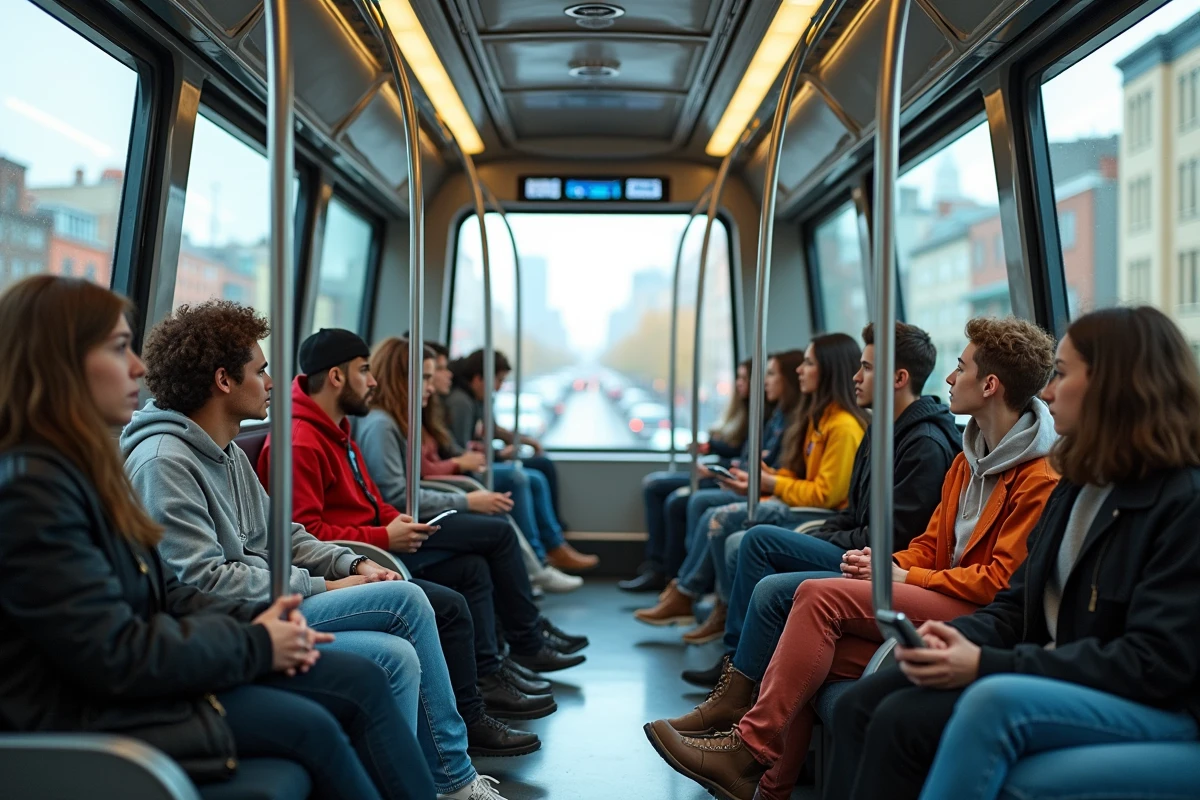
In rural areas, housing will experience its own thermal revolution. Older buildings, poorly or inadequately insulated, will become uncomfortable during heatwaves. Investing in effective insulation, natural ventilation, or bio-based materials will become common sense. Mobility will also change its face. The rise of electric vehicles, the reduction of individual car space, and the increase of public transport and soft modes will transform the urban landscape.
Here are some concrete changes that will emerge:
- Building adaptation: energy renovation, overheating prevention systems
- Transformation of public spaces: increased cool zones, precise water management
- Evolution of lifestyles: widespread telecommuting, daily rhythms aligned with new climate constraints
Across France, regions will face increasing risks: in the south and west, droughts will intensify; along coastlines, extreme phenomena will become more frequent. Cities will need to anticipate, integrate resilience at all levels, and cultivate solidarity as climate disparities widen between neighborhoods and regions.
Emerging solutions to preserve our future and that of the planet
France is testing and implementing new levers to limit greenhouse gas emissions while adjusting to climate projections. Local authorities are investing in the energy renovation of buildings, imposing ambitious standards to reduce consumption and improve insulation. Some cities are focusing on heat recovery, solar thermal energy, and smart energy management. Public policies encourage the de-paving of soils, the creation of cooling corridors, and the massive reintroduction of nature into urban spaces.
The agricultural world is also adapting: choosing more resilient crops, preserving water resources, and carefully managing soils. Farmers are adapting their practices to limit evaporation and cope with repeated droughts. Drinking water supply is being strengthened, and domestic use is becoming more measured through efficient equipment and systematic recovery.
Initiatives and action levers
Different action axes are already emerging:
- Decarbonized mobility: expanding bicycle use, electric public transport, developing carpooling
- Infrastructure adaptation: permeable cities, green roofs, retention basins
- Public awareness: active education on the impacts of global warming, supporting the transition
Collective action is gaining momentum, driven by regional dynamics and national strategies. The climate projections published by Météo-France remind us how much sobriety, innovation, and solidarity will need to come together to face this new chapter in human history. The climate of 2050 is not waiting: every action, every choice, every project already counts in the portrait of tomorrow.