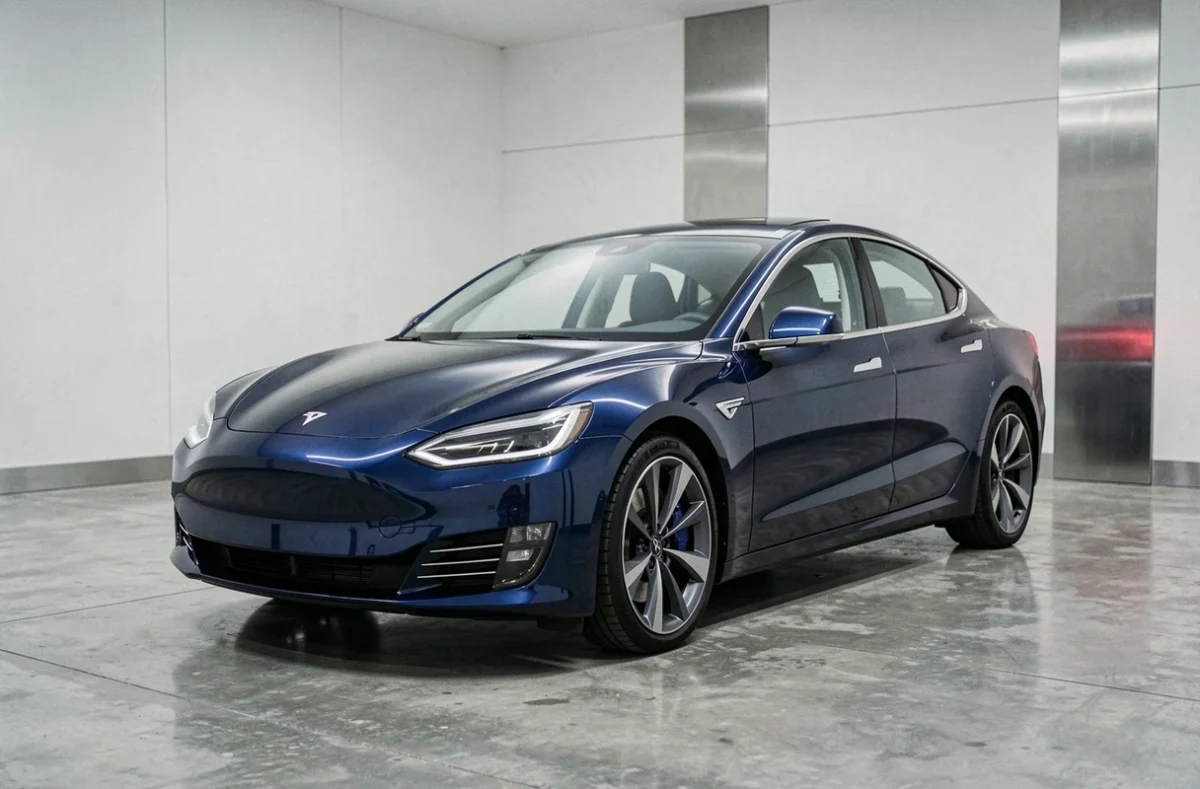
The European market for new cars is shifting. Electric vehicles are closer than ever to gasoline in registration shares, hybrids dominate the volumes, and Chinese manufacturers are expanding their offensive well beyond just the battery segment. We are also observing a persistent gap between the promises of range and the daily reality of drivers without home charging solutions.
Home charging without a station: the real bottleneck for electric vehicles
The purchase of an electric car is based on a rarely questioned assumption in product sheets: the owner charges it overnight at home. In shared ownership or rental housing without private parking, this assumption collapses.
Public charging stations partially compensate, but their distribution remains uneven across France. In rural or suburban areas, a daily commute of a few dozen kilometers can become a logistical headache if no fast charging station is located along the home-work route.
Without overnight charging, the cost per kilometer of electric vehicles matches that of gasoline vehicles. Fast charging stations charge much more than residential rates, and queues during peak hours on highways remain common during holiday departures.
A recent test of a Nice-Paris trip in a Renault 5 E-Tech highlighted the reality of the mandatory breaks on a 1,000 km journey: the car meets its technical promises, but the cumulative charging time transforms the trip. Find all the information on lactuauto.fr to follow concrete feedback from this type of experience.
We recommend that buyers without personal charging stations check three points before signing:
- The presence of at least two reliable charging stations (not just one, which is often out of order) within a radius compatible with daily routines
- The actual rate per kWh at these stations, which varies greatly depending on the operator and charging power
- The vehicle’s compatibility with DC fast charging, as some entry-level models are limited to lower power levels that extend each session
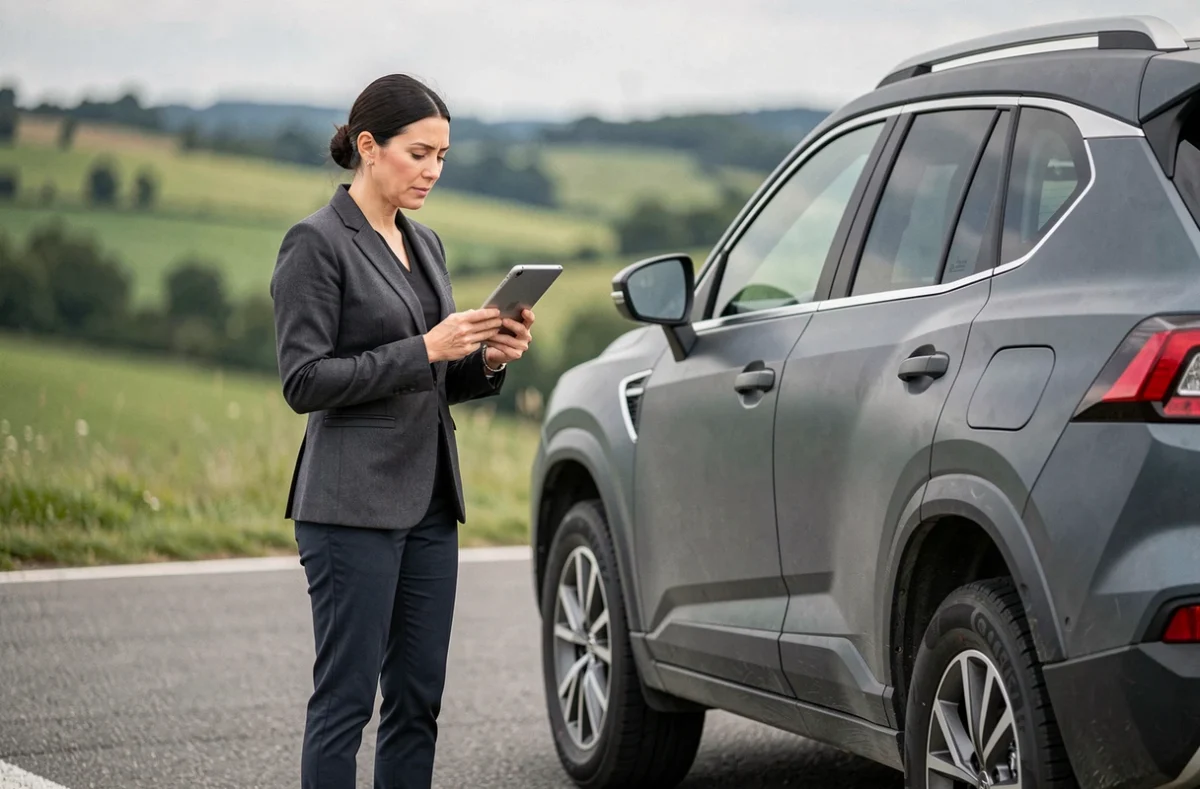
European market 2026: hybrids remain the dominant powertrain
Electric vehicles are progressing rapidly, but traditional hybrids still account for the majority of sales in Europe. Registrations of 100% electric vehicles significantly increased in 2026, driven by purchase subsidies and rising fuel prices. Pure gasoline vehicles are declining.
This dynamic masks a structural fragility. The growth of electric vehicles still heavily depends on public policies. A reduction in subsidies or a drop in fuel prices could slow the trend. We are already observing discussions at the European level about a potential easing of emission targets, which would send a contradictory signal to manufacturers committed to the transition.
Chinese manufacturers: an offensive that goes beyond all-electric
Chinese brands are no longer limited to battery-powered city cars. Their European strategy extends to hybrid and plug-in hybrid SUVs, with aggressive pricing and rapid development of local distribution networks. They are showing the strongest growth in the European market this year.
The Xpeng L03, recently tested by the specialized press, illustrates this move upmarket. More compact than previous models from the brand, it directly targets the segment of reference European SUVs. The pricing strategy forces historical manufacturers to rethink their pricing structures.
Renault Kangoo electric and Volkswagen ID.Tiguan: two revealing updates
Two recent announcements illustrate the direction taken by European manufacturers to address recurring criticisms regarding range and versatility.
The Renault Kangoo E-Tech adopts the battery from the Renault 5, upgraded to 52 kWh. Charging speeds up, motors gain power, and the V2L function allows tools to be plugged directly into the vehicle. For professionals, this last point changes the game on construction sites or markets.
On the Volkswagen side, the ID.Tiguan takes over from the ID.4 with a family SUV positioning. The manufacturer is betting on an updated platform and an expanding proprietary charging network. The question remains whether the final price will allow it to compete with Chinese SUVs entering the same segment.
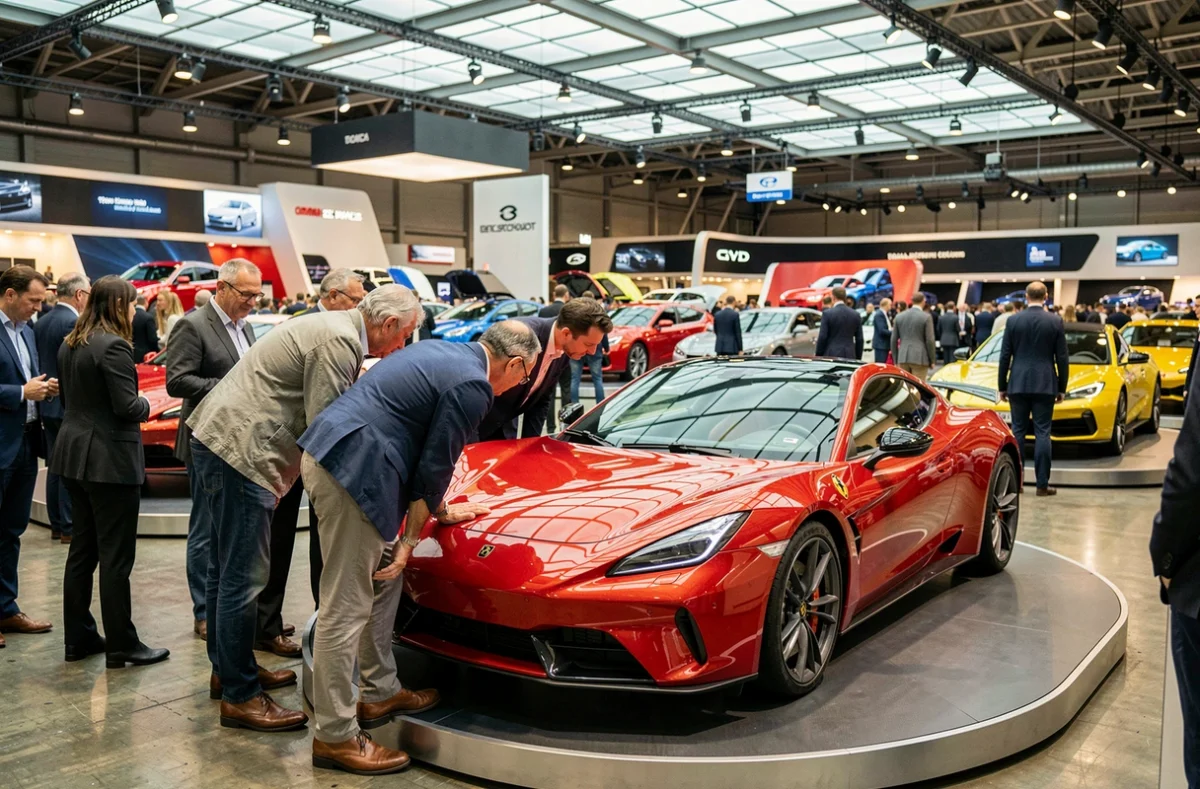
Paris Motor Show 2026: notable absences and new benchmarks
The Paris Motor Show remains the reference event for the sector in France, but the list of absentees weighs as heavily as that of those present. BMW has confirmed it will not exhibit in Paris this year, a decision that deprives the show of a heavyweight in the premium segment.
The most scrutinized stands will be those of Chinese brands and manufacturers unveiling new electric architectures. MG is presenting the IM5, an electric coupe sedan equipped with a 100 kWh battery and an announced power of 750 hp. The luxury positioning of this sedan contrasts with the low-cost image usually associated with the brand.
Smart #2 and Hyundai Tucson 2027
Smart is preparing to reveal the #2 at the show, while Hyundai announces a thoroughly revised Tucson 2027. The two models target different segments but share the same logic: gradual electrification and enhanced onboard connectivity.
The French and European automotive market is undergoing a phase of accelerated reorganization. The balance of power between historical manufacturers and new Chinese entrants is playing out as much on pricing as on the density of the charging network.
For drivers without access to a private charging station, the choice of powertrain remains as much a technical as an economic decision. The answer varies depending on residence location, daily mileage, and patience with public infrastructure.